Please briefly explain why you feel this question should be reported.

Please briefly explain why you feel this answer should be reported.

Please briefly explain why you feel this user should be reported.

Sign InSign Up

AccountingQA

AccountingQA Logo AccountingQA Logo

AccountingQA Navigation

  • Home
  • Ask Questions
  • Write Answers
  • Explore
  • FAQs
Search
Ask A Question

Mobile menu

Close
Ask a Question
  • Home
  • Questions
    • Most Visited
    • Most Active
    • Trending
    • Recent
  • Follow
    • Categories
    • Users
    • Tags
  • Write an Answer
  • Badges & Points
  • Request New Category
  • Send a Suggestion
  • Search Your Accounting Question..

  • Most Visited
  • Most Voted
  • Followed Questions
  • Most Answered
  • No Answers

AccountingQA Latest Questions

Simerpreet
SimerpreetHelpful
In: 1. Financial Accounting > Accounting Terms & Basics

What is debit balance class 11?

  • 1 Answer
  • 5 Followers
Answer
  1. Ishika Pandey Curious ca aspirant
    Added an answer on February 14, 2023 at 2:55 am
    This answer was edited.

    Definition Debit balance may arise due to timing differences in which case income will be accrued at the year's end to offset the debit. The amount is shown in the record of a company s finances, by which its total debits are greater than its total credits. The account which has debit balances are aRead more

    Definition

    Debit balance may arise due to timing differences in which case income will be accrued at the year’s end to offset the debit.

    The amount is shown in the record of a company s finances, by which its total debits are greater than its total credits.

    The account which has debit balances are as follows:

    • Assets accounts
    Land, furniture, building machinery, etc

    • Expenses accounts
    Salary, rent, insurance, etc

    • Losses
    Bad debts, loss by fire, etc

    • Drawings
    Personal drawings of cash or assets

    • Cash and bank balances
    Balances of these accounts

    In class 11th, we learned about all these accounts that have debit balances.
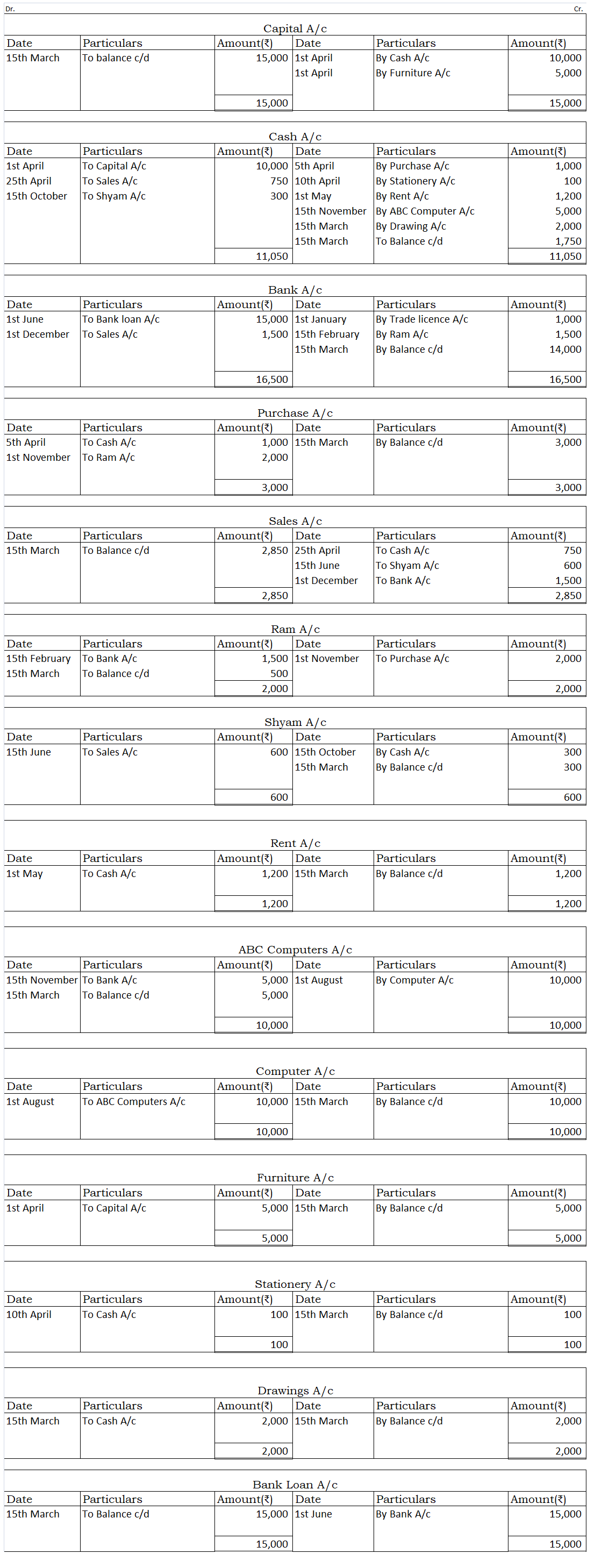
    Where the total of the debit side is more than the credit side therefore the difference is the debit balance and is placed credit side as “ by balance c/d “

    Here are some examples showing the debit balances of the accounts :

    See less
    • 6
    • Share
      Share
      • Share on Facebook
      • Share on Twitter
      • Share on LinkedIn
      • Share on WhatsApp
Simerpreet
SimerpreetHelpful
In: 1. Financial Accounting > Accounting Terms & Basics

What is Impairment of Assets?

Impairment
  • 1 Answer
  • 0 Followers
Answer
  1. Astha Leader Pursuing CA, BCom (Hons.)
    Added an answer on June 5, 2021 at 1:47 pm
    This answer was edited.

    What is Impairment of Assets? Impairment of assets means a decline in the value of assets due to unforeseen circumstances. Assets are impaired when the carrying value of assets increases its market value or “realizable value”. Impairment can be caused due to factors that are internal or external toRead more

    What is Impairment of Assets?

    Impairment of assets means a decline in the value of assets due to unforeseen circumstances. Assets are impaired when the carrying value of assets increases its market value or “realizable value”.

    Impairment can be caused due to factors that are internal or external to the firm. Internal factors such as physical damage, obsolescence or poor management and external factors such as a change in legal or economic circumstances, increased competition or reduction in asset’s fair value in the market result in impairment.

    Impairment Vs Depreciation

    Asset impairment is often confused with asset depreciation, which is rather a recurring and expected event, unlike impairment that reflects an abrupt decrease in the value of the asset.

    Impairment Loss

    Impairment is always treated as a loss in accounting. It is the amount by which the carrying value or the asset’s book value exceeds its fair market value.

    Before recording Impairment loss, a company must determine the recoverable value of the asset which is higher of the asset’s net realizable value or value in use. Then it is to be compared with the book value of the asset.

    If the carrying value exceeds the recoverable value then the impairment loss is to be recorded at the exceeding value i.e. difference of carrying value and realizable value.

    Example

    Suppose a company Royal Ltd. has an asset with a carrying value of 50,000, which has suffered physical damage. According to the company’s calculation, the asset has a net realizable value of 30,000 and a value in use of 25,000.

    Then, the recoverable value would be higher of the asset’s net realizable value or value in use, i.e., 30,000 which is still lower than the carrying amount of 50,000. Therefore, Royal ltd. will have to record 20,000 (50,000-30,000) as impairment loss.

    This is will increase Royal Ltd’s expenses by 20,000 and decrease the asset’s value by the same amount.

    See less
    • 0
    • Share
      Share
      • Share on Facebook
      • Share on Twitter
      • Share on LinkedIn
      • Share on WhatsApp
Radha
Radha
In: 1. Financial Accounting > Accounting Terms & Basics

What is the meaning of “Contra” in accounting?

  • 1 Answer
  • 0 Followers
Answer
  1. AbhishekBatabyal Helpful Pursuing CA, BCOM (HONS)
    Added an answer on December 25, 2021 at 4:25 pm
    This answer was edited.

    The term ‘contra’ means opposite or against. In financial accounting, we encounter the term ‘contra’ in: Contra accounts Contra entries The meaning of contra in the above mention terms is also the same as their general meaning. Contra accounts mean the account which is opposite of the account it corRead more

    The term ‘contra’ means opposite or against. In financial accounting, we encounter the term ‘contra’ in:

    • Contra accounts
    • Contra entries

    The meaning of contra in the above mention terms is also the same as their general meaning. Contra accounts mean the account which is opposite of the account it corresponds to.

    Contra entries are entries of the debit and credit aspects related to the same parent account.  Let’s discuss them in detail.

    Contra accounts

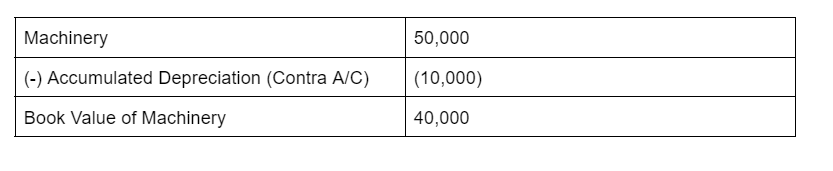
    Any account which is created with the purpose of reducing or offsetting the balance of another account is known as a contra account.

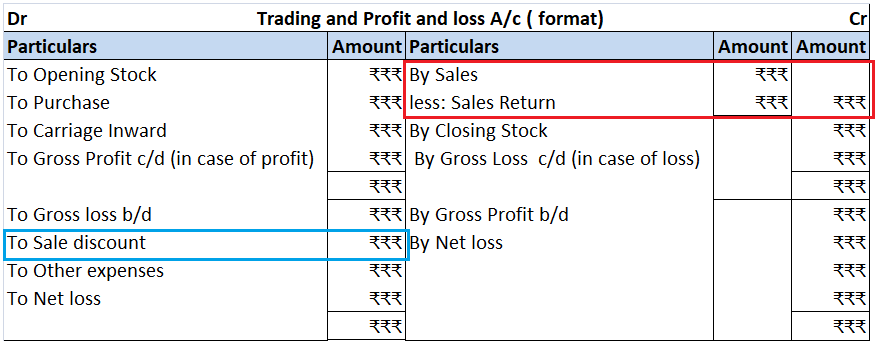
    A contra account is just the opposite of the account to which it relates. The most common examples are the sales discount account and sales return account which is the contra account of the sales account.  They are just the opposite of the sales accounts.

    Contra Entries

    Contra entries refer to the entries which show the movement of the amount within the same parent account. Here, the debit and credit entry is posted on the debit and credit side respectively of a single parent account.  Mainly, contra entries are the entries involving cash and bank accounts.

    The following transactions are recorded as contra entries:

    • Cash to Bank transactions: Deposit of cash into the bank account by the entity.
    • Bank to Cash transactions: Withdrawal of cash from the bank.
    • Cash to cash transactions: Transfer of cash to the petty cash account.
    • Bank to Bank transactions: Transfer of amounts from one bank account to other bank accounts of the same entity.

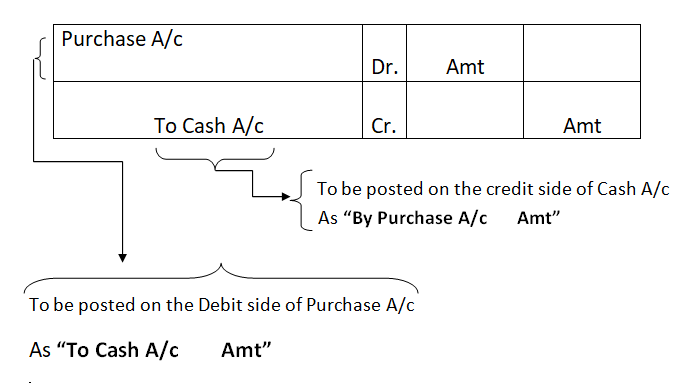
    Contra entries are marked by the letter ‘C’ beside the postings in the ledger. Deposit of cash in to bank will be posted in cashbook as below:

    See less
    • 0
    • Share
      Share
      • Share on Facebook
      • Share on Twitter
      • Share on LinkedIn
      • Share on WhatsApp
Bonnie
BonnieCurious
In: 1. Financial Accounting > Accounting Terms & Basics

Is capital a real account?

  • 1 Answer
  • 0 Followers
Answer
  1. Ayushi Curious Pursuing CA
    Added an answer on October 8, 2021 at 5:55 am
    This answer was edited.

    No, capital account is not a real account. Capital account represents the amount of money invested by the owner/owners of the business along with the retained earnings net of drawings or dividends. Capital account has a natural credit balance because it is an internal liability of the business. CapiRead more

    No, capital account is not a real account.

    Capital account represents the amount of money invested by the owner/owners of the business along with the retained earnings net of drawings or dividends. Capital account has a natural credit balance because it is an internal liability of the business.

    Capital account is a personal account because, as discussed above, it represents the investment of the owner or owners. Personal account represents person or persons.

    Whereas a real account represents the material assets of a business. Example:-  Cash A/c, Fixed assets A/c etc. That’s why the capital account is not a real account.

    Being a personal account, the following golden rule of accounting applies to capital account:-

    “Debit the receiver and credit the giver”

    Here, as the owner gives an amount as an investment into the business (owner and the business are separate entities), the capital account has a credit balance.

    See less
    • 0
    • Share
      Share
      • Share on Facebook
      • Share on Twitter
      • Share on LinkedIn
      • Share on WhatsApp
Anushka Lalwani
Anushka Lalwani
In: 1. Financial Accounting > Accounting Terms & Basics

What is the meaning of sundry debtors?

  • 1 Answer
  • 0 Followers
Answer
  1. GautamSaxena Curious .
    Added an answer on August 13, 2022 at 4:19 pm
    This answer was edited.

    Sundry debtor refers to either a person or an entity that owes money to the business. If someone buys some goods/services from the business and the payment is yet to be received, a group of such individuals or entities is called sundry debtors. Sundry debtors are also referred to as trade receivableRead more

    Sundry debtor refers to either a person or an entity that owes money to the business. If someone buys some goods/services from the business and the payment is yet to be received, a group of such individuals or entities is called sundry debtors. Sundry debtors are also referred to as trade receivables or account receivables.

    The term ‘Sundry’ means various or several, referring to a collection of miscellaneous items combined under one head. Sundry debtors typically arise from core business activities such as sales of goods or services. The business treats them as an asset.


    Example

    Suppose you run a business, ABC Ltd. Mr. Y bought goods from you on credit. Therefore, Mr. Y will be recorded as Debtor (current asset) in your books of accounts. Similarly, a collection of such debtors is viewed as sundry debtors from the business’ point of view.

    Journal Entry

    Rules

    As per the golden rules of accounting, we ‘debit the receiver and credit the receiver’. That’s how in this journal entry we’ll be debiting the sundry debtor’s account. Also, ‘debit what comes in and credit what goes out.’ That’s why sales a/c is credited and cash a/c is debited.

    As per the modern rules of accounting, ‘debit the increase in asset and credit the decrease in asset’. That’s why we debit sundry debtors and cash a/c. And credit sales a/c when goods are sold and inventory decreases.


    Why debtor is an asset?

    As we know, a debtor refers to a person or entity who owes money to the business which means, the money is to be received by them in the future, making them an asset. On the other hand, creditors are a liability to the firm as we owe them money and it is to be paid by us in the near future, making it an obligation for the firm.


    Sundry Debtors in Balance Sheet

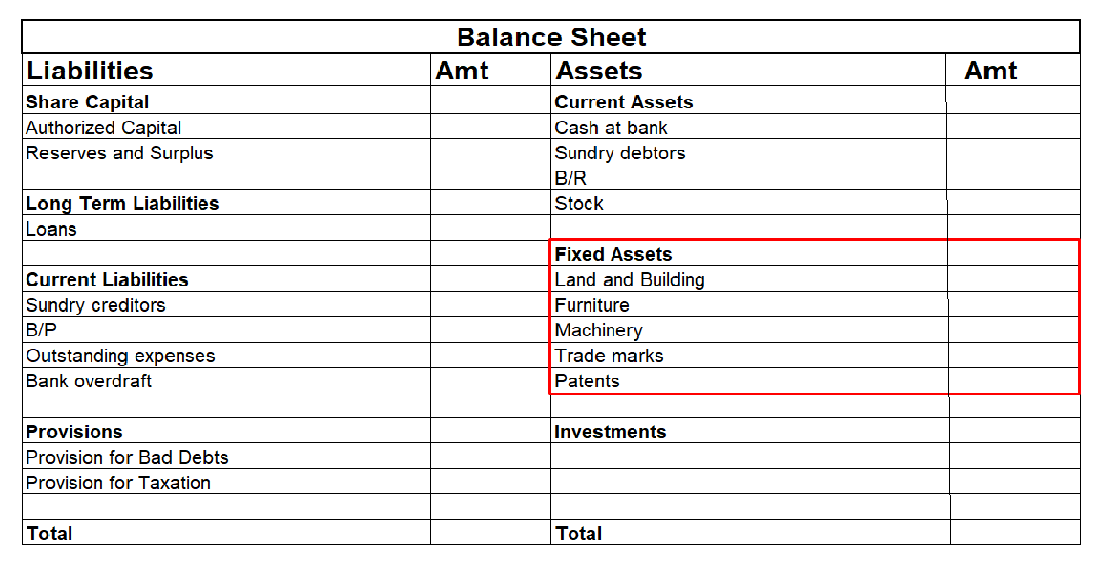
    Sundry debtors are shown under the current asset heading on the balance sheet. They are often referred to as account receivables.


    Balance Sheet (for the year ending….)

    See less
    • 0
    • Share
      Share
      • Share on Facebook
      • Share on Twitter
      • Share on LinkedIn
      • Share on WhatsApp
Ayushi
AyushiCurious
In: 1. Financial Accounting > Accounting Terms & Basics

What is managerial remuneration?

  • 1 Answer
  • 0 Followers
Answer
  1. Pooja_Parikh Aspiring Chartered Accountant
    Added an answer on November 30, 2021 at 7:12 pm
    This answer was edited.

    The major affairs of the company are handled by the manager and hence he is entitled to receive some compensation for his efforts. This is termed Managerial Remuneration. The manager has to bring out the maximum potential of the employees while ensuring that the interests of the shareholders and othRead more

    The major affairs of the company are handled by the manager and hence he is entitled to receive some compensation for his efforts. This is termed Managerial Remuneration. The manager has to bring out the maximum potential of the employees while ensuring that the interests of the shareholders and other stakeholders are secured.

    MAXIMUM REMUNERATION

    As per section 197 of the Companies Act, the Company has certain limits on paying maximum remuneration, depending on whether he is working full-time or part-time. If the company has only one whole-time manager, he is entitled to a maximum remuneration of 5% of net profits. If there is more than one whole time manager, then the percentage increases to 10%.

    For part-time directors, the remuneration allowed is 1% of net profits (if there is a whole-time director present) and if no whole-time manager is present, then remuneration for a part-time director is 3%.

    Therefore, a company can only pay a maximum remuneration of 11% of net profits.

    A public company is allowed to pay remuneration in excess of 11% by :

    • Passing a special resolution approved by the shareholders
    • Subject to compliance with Schedule V conditions

    Remuneration can be paid to such managers who do not have any direct interest in the company and also possesses special knowledge and expertise along with a graduate-level qualification.

    PENALTY

    Any person who fails to comply with the provisions of managerial remuneration shall be punishable with a fine that can vary from Rs. 1 Lakh to a maximum of Rs. 5 Lakhs.

    However, Sec 197 applies to only public companies and hence private companies are free to pay managerial remuneration with no upper limit.

    See less
    • 0
    • Share
      Share
      • Share on Facebook
      • Share on Twitter
      • Share on LinkedIn
      • Share on WhatsApp
Satyamkumar
Satyamkumar
In: 1. Financial Accounting > Accounting Terms & Basics

Accounting terms

What is the difference between expense and revenue expenditure

  • 1 Answer
  • 1 Follower
Answer
  1. Mukarram
    Added an answer on August 26, 2023 at 7:52 pm

    Expense Expenditure: Expense expenditures refer to the costs incurred by a company in its day-to-day operations. These expenses are deducted from revenue to calculate the net income. Here are some examples of expense expenditures: Salaries and wages: The payments made to employees for their servicesRead more

    Expense Expenditure:
    Expense expenditures refer to the costs incurred by a company in its day-to-day operations. These expenses are deducted from revenue to calculate the net income. Here are some examples of expense expenditures:

    Salaries and wages: The payments made to employees for their services are considered expense expenditures. This includes salaries, wages, bonuses, and commissions.

    Rent: The cost of leasing office space or other business premises is an expense expenditure. It includes monthly rent payments, property taxes, and insurance premiums associated with the rented space.

    Utilities: Expenses related to utilities such as electricity, water, gas, and internet services are considered expense expenditures.

    Office supplies: The cost of purchasing and replenishing office supplies like stationery, printer ink, pens, paper, and other consumables is categorized as an expense expenditure.

    Advertising and marketing: Expenditures incurred to promote a company’s products or services, such as advertising campaigns, online marketing, social media promotions, and print media advertisements, are considered expense expenditures.

    Revenue Expenditure:
    Revenue expenditures are expenses incurred to acquire or improve assets that are expected to generate revenue over multiple accounting periods. Unlike expense expenditures, revenue expenditures are typically not capitalized. Here are some examples of revenue expenditures:

    Repairs and maintenance: Costs incurred to repair and maintain existing assets, such as machinery, equipment, and vehicles, are considered revenue expenditures. Routine maintenance expenses, like oil changes, servicing, and small repairs, fall into this category.

    Software and technology upgrades: Expenses incurred to upgrade or enhance software systems, computer hardware, or other technological infrastructure are considered revenue expenditures.

    Training and development: Expenditures on employee training programs, workshops, seminars, and skill development courses that enhance the productivity and capabilities of the workforce are classified as revenue expenditures.

    Advertising campaigns for new products: While advertising expenses are generally classified as expense expenditures, when they are specifically related to the launch or introduction of new products or services, they can be considered revenue expenditures.

    Renovation and improvements: Costs incurred to renovate or improve existing assets, such as office spaces, stores, or warehouses, can be classified as revenue expenditures if they enhance the earning capacity or extend the useful life of the asset.

    These examples highlight the distinction between expense and revenue expenditures based on their purpose and treatment in financial statements.


    See less
    • 0
    • Share
      Share
      • Share on Facebook
      • Share on Twitter
      • Share on LinkedIn
      • Share on WhatsApp
Nistha
Nistha
In: 1. Financial Accounting > Accounting Terms & Basics

What is the difference between accounting policies and principles?

Accounting PoliciesAccounting PrinciplesDifference Between
  • 1 Answer
  • 0 Followers
Answer
  1. Sandy CMA Final
    Added an answer on June 27, 2021 at 3:25 pm
    This answer was edited.

    To begin with, let me give you a brief explanation of both the terms i.e. Accounting policies and accounting principles- In order to maintain the financial statements, the company’s management adopts various Accounting Policies of its own. This generally includes the rules, the directions as to howRead more

    To begin with, let me give you a brief explanation of both the terms i.e. Accounting policies and accounting principles-

    In order to maintain the financial statements, the company’s management adopts various Accounting Policies of its own. This generally includes the rules, the directions as to how the financial statements will be prepared or how the valuation of depreciation would be done, and so on. These are flexible in nature and vary from company to company.

    For Example 1, Johnson Co. uses FIFO (first in first out) method to value the inventory. That is to say that, while selling its product, it sells those goods or products which it has acquired or produced first.

    It does not consider the LIFO or weighted average cost. The other company may adopt the other method as per its wish.

    Example 2, Johnson Co. uses the straight-line method of depreciating an asset, whereas the other company can opt for a written down value method depending upon the need of the company.

    So what I am trying to explain from this is that the accounting policies are flexible and can be adopted as per the needs of the company.

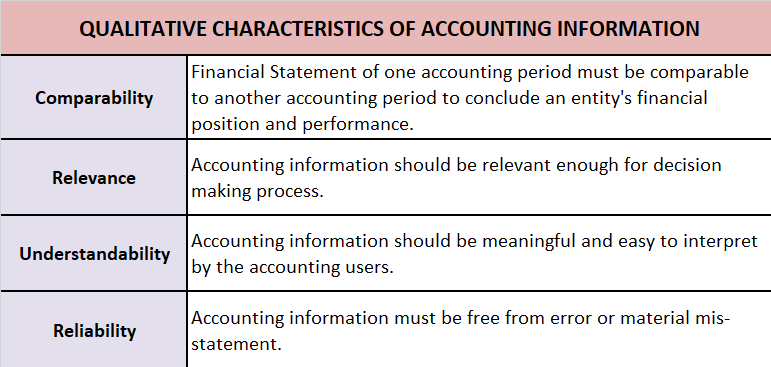
    Accounting Principles are the rules which the accountants adopt universally for recording and reporting the financial data. It brings uniformity in accounting throughout the practice of accounting. These are generally less flexible in nature.

    For Example, “Cost” is a principle. According to this accounting principle, an asset is recorded in the books at the price paid to acquire it and this cost will be the basis for all the subsequent accounting for the asset.  However, asset market value may change over time, but for the accounting purpose, it continues to be shown at its book value i.e. at which it is acquired.

    Some more examples would be of Matching principle, Consistency principle, Money measurement principle, etc.

    Differences

    Conclusion

    The point is Accounting Principles are the broad direction to reach a goal and to reach that goal helps the accounting policies.

    See less
    • 0
    • Share
      Share
      • Share on Facebook
      • Share on Twitter
      • Share on LinkedIn
      • Share on WhatsApp
Aadil
AadilCurious
In: 1. Financial Accounting > Accounting Terms & Basics

What is the meaning of balancing an account?

  • 1 Answer
  • 0 Followers
Answer
  1. Ayushi Curious Pursuing CA
    Added an answer on January 4, 2022 at 11:18 am
    This answer was edited.

    Meaning We know that an account in ledger format has two amount columns i.e. debit and credit amount columns. Now, most of the time, the total of debit and credit sides do not match.  The difference between their totals is called the balance of the account and it is posted on the shorter side. ThisRead more

    Meaning

    We know that an account in ledger format has two amount columns i.e. debit and credit amount columns. Now, most of the time, the total of debit and credit sides do not match.  The difference between their totals is called the balance of the account and it is posted on the shorter side. This result in equalling the total of both sides, hence this act is called ‘balancing an account.

    Types of balances

    Balancing an account is a very usual practice so that the balance of an account can be known. An account can have two types of balances:

    • Debit balance, where the debit side total is more than the credit side total.
    • Credit balance, where the credit side is more than the debit side total.

    The balance of an account is posted on the shorter side. It means:

    • The debit balance will be shown on the credit side as the credit side total is shorter. (posted as ‘By Balance c/d’)
    • The credit balance will be shown on the debit side as the debit side total is shorter (posted as ‘To Balance c/d’)

    Example

    The following is a cash account that is not balanced:


    We can see the debit side is ₹800 more than the credit side. It means there is a debit balance. It will be posted on the credit side as ‘By balance c/d’ to balance the account.

    Exceptions

    Balance of the income and the expense accounts (nominal accounts)are not computed. Instead, they are closed to trading account or profit and loss account to balance their amount totals. For example, the salaries account and sales accounts

    Only the balance of the following types of accounts are computed and carried forwarded to successive accounting years:

    • Assets
    • Liabilities
    • Capital

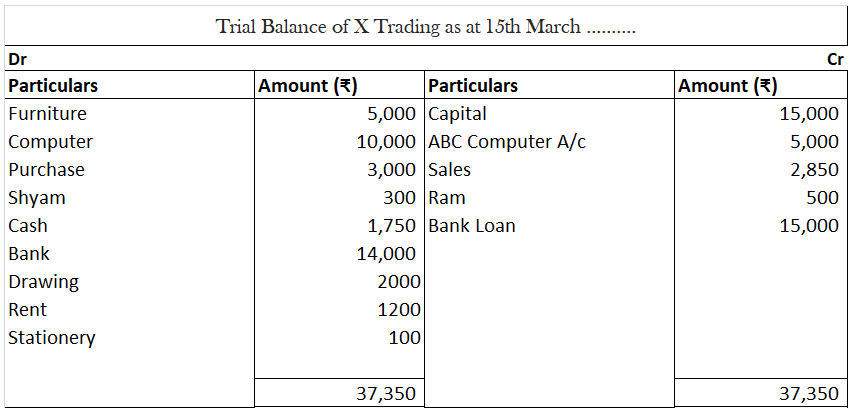
    The balance of these accounts is shown on the trial balance and balance sheet as well.

    See less
    • 0
    • Share
      Share
      • Share on Facebook
      • Share on Twitter
      • Share on LinkedIn
      • Share on WhatsApp
Jayesh Gupta
Jayesh GuptaCurious
In: 1. Financial Accounting > Accounting Terms & Basics

The following is a statement of revenues and expenses for a specific period of time?

A. Trading Account B. Trial Balance C. Profit and Loss Statements D. Balance Sheet  

  • 1 Answer
  • 0 Followers
Answer
  1. Ayushi Curious Pursuing CA
    Added an answer on October 12, 2021 at 6:05 pm
    This answer was edited.

    The correct answer is Option C. The Profit and loss statement is also referred to as the statement of revenues and expenses. It is because the Profit and Loss statement reports all types of revenue that have been earned and all types of expenses that have been incurred during a particular period ofRead more

    The correct answer is Option C.

    The Profit and loss statement is also referred to as the statement of revenues and expenses. It is because the Profit and Loss statement reports all types of revenue that have been earned and all types of expenses that have been incurred during a particular period of time.

    Option A Trading Account reports only the operating revenues and operating expenses.

    Option B Trial Balance shows the balances of all the ledgers of a business and is prepared to check the arithmetical accuracy of the books of accounts.

    Option D Balance sheet reports the balances of assets and liabilities of a business as at a particular date.

    People often confuse the trading and the profit and loss statement to be the same. But they are different.

    Trading Account is prepared with aim of arriving at operating profit or gross profit whereas the profit and loss statement is prepared to arrive at the net profit of a business and reports every revenue and expense whether operating or non operating in nature.

    Operating revenue and operating expense are earned or incurred respectively are related to the chief business activities of a business.

    Features of profit and loss statement:

    1. It is prepared to measure the net profit of a business hence its profitability.
    2. It is usually prepared for a period of one year but many companies do prepare quarterly statements to better judge their performance.
    3. It helps the management in decision making and the other stakeholders like shareholders, creditors to make informed decisions.
    See less
    • 0
    • Share
      Share
      • Share on Facebook
      • Share on Twitter
      • Share on LinkedIn
      • Share on WhatsApp

Sidebar

Question Categories

  • 1. Financial Accounting

      • Accounting Terms & Basics
      • Bank Reconciliation Statement
      • Banks & NBFCs
      • Bills of Exchange
      • Capital & Revenue Expenses
      • Consignment & Hire Purchase
      • Consolidation
      • Contingent Liabilities & Assets
      • Departments & Branches
      • Depreciation & Amortization
      • Financial Statements
      • Goodwill
      • Insurance Accounting
      • Inventory or Stock
      • Investment Accounting
      • Journal Entries
      • Ledger & Trial Balance
      • Liquidation & Amalgamation
      • Miscellaneous
      • Not for Profit Organizations
      • Partnerships
      • Ratios
      • Shares & Debentures
      • Source Documents & Vouchers
      • Subsidiary Books
  • 2. Accounting Standards

      • AS
      • IFRS
      • IndAS
  • 3. Cost & Mgmt Accounting
  • 4. Taxes & Duties

      • GST
      • Income Tax
  • 5. Audit

      • Bank Audit
      • Internal Audit
      • Miscellaneous - Audit
      • Statutory Audit
  • 6. Software & ERPs

      • Tally
  • 7. MS-Excel
  • 8. Interview & Career
  • Top Questions
  • I need 20 journal entries with ledger and trial balance?

  • Can you show 15 transactions with their journal entries, ledger, ...

  • What is furniture purchased for office use journal entry?

  • What is loose tools account and treatment in final accounts?

  • What is the Journal Entry for Closing Stock?

  • What is the journal entry for goods purchased by cheque?

  • What is commission earned but not received journal entry?

  • What is the journal entry for interest received from bank?

  • How to show adjustment of loose tools revalued in final ...

  • Following is the Receipts and Payments Account of Bharti Club ...

Hot Topics

Accounting Policies Accounting Principles Balance Sheet Bank Reconciliation Statement Bill of Exchange Branch Accounting Calls in Advance Capital Capital Expenditure Companies Act Compound Entry Consignment Creditors Current Assets Debit Balance Debtors Depreciation Difference Between Dissolution of Firm Dissolution of Partnership Drawings External Users Fictitious Assets Final Accounts Financial Statements Fixed Assets Fixed Capital Fluctuating Capital Gain Impairment Installation Interest Received in Advance Internal Users Journal Entry Ledger Loose Tools Miscellaneous Expenditure Profit Rent Rent Received in Advance Reserves Revaluation Revenue Expenditure Revenue Reserve Sacrificing Ratio Subscription Subscription Received in Advance Trial Balance Type of Account Uncalled Capital
  • Home
  • Questions
    • Most Visited
    • Most Active
    • Trending
    • Recent
  • Follow
    • Categories
    • Users
    • Tags
  • Write an Answer
  • Badges & Points
  • Request New Category
  • Send a Suggestion

Most Helping Users

Astha

Astha

  • 50,291 Points
Leader
Simerpreet

Simerpreet

  • 72 Points
Helpful
AbhishekBatabyal

AbhishekBatabyal

  • 65 Points
Helpful

Footer

  • About Us
  • Contact Us
  • Pricing
  • Refund
  • Forum Rules & FAQs
  • Terms and Conditions
  • Privacy Policy
  • Career

© 2021 All Rights Reserved
Accounting Capital.