
A. For a certain given period B. At a particular point of time C. After a fixed date D. None of the above


Unrecorded Assets are the assets that are completely written off but still physically available in the company or assets that are not shown in the books of the company. Unrecorded assets are generally recorded or recognized at the event of admission, retirement, death of a partner when all the assetRead more
Unrecorded Assets are the assets that are completely written off but still physically available in the company or assets that are not shown in the books of the company.
Unrecorded assets are generally recorded or recognized at the event of admission, retirement, death of a partner when all the assets and liabilities are revalued or dissolution of the firm.
Since Accounting Standards require firms to record all the assets and liabilities in their books, it is therefore mandatory to record such unrecorded assets.
There can be two cases for treatment of such unrecorded assets:
- Unrecorded Asset entered into the business and recorded in books
| Unrecorded Asset A/c (Dr.) | Amt | |
| To Revaluation A/c | Amt |
The unrecorded asset is now debited since it has to be recorded in the books now and Revaluation Account is credited since it is again for the business which will eventually be transferred to Partners’ Capital Account.
- Unrecorded Asset taken over by a partner and paid cash
| Cash A/c (Dr.) | Amt | |
| To Partners’ Capital A/c | Amt |
If a partner decides to take over an unrecorded asset then his account is credited with that amount and since cash paid by the partner comes into business Cash Account is debited.
- Unrecorded Asset discovered during Dissolution
| Cash/ A/c (Dr) | Amt | |
| To Realization A/c | Amt |
When an unrecorded asset is discovered during the dissolution of the firm, such an asset is sold directly to the outsider and as a result, cash A/c is debited since the cash is entering the business. The entry is made through the Revaluation A/c and it is hence credited.
Example:
At the time of revaluation, firms find a typewriter that has not been recorded in the books and is valued at Rs 10,000. The journal entry to record that typewriter will be:
| Typewriter A/c (Dr.) | 10,000 | |
| To Revaluation A/c | 10,000 |
See less


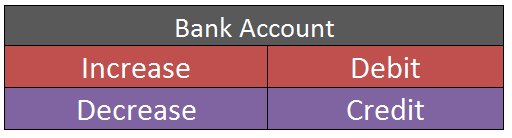
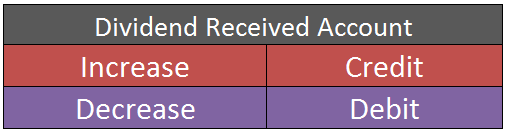

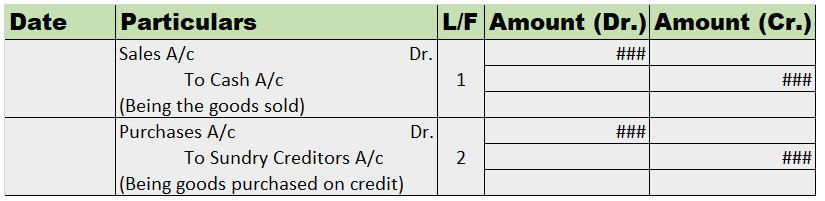







The correct option is Option (b) at a particular point of time. A balance sheet discloses the financial position of an entity at a particular point of time. The particular point of time is generally the last date of an accounting year. Most of the business concerns follow an accounting year ending oRead more
The correct option is Option (b) at a particular point of time.
A balance sheet discloses the financial position of an entity at a particular point of time. The particular point of time is generally the last date of an accounting year. Most of the business concerns follow an accounting year ending on 31st March and prepare their balance sheet as at 31st March.
By financial position, it means the value of assets and liabilities of the entity. As an entity may enter into monetary transactions every day, the values of the assets and liabilities may also vary every day. Hence, to prepare the balance sheet of an entity, a particular point of time is to be chosen which is generally the last date of an accounting year
Option (a) for a given period of time is incorrect.
It is because the values of assets and liabilities of concern may differ daily, a balance sheet cannot be prepared to disclose the financial position of an entity for a given period of time.
The statement of profit or loss is prepared for a given period of time as it discloses the overall performance of an entity for a given period of time.
Option (c) after a fixed date is also incorrect.
The phrase, “after a fixed date” does not indicate a particular point of time. It may mean any day after a fixed date. For example, if there is an instruction to prepare a balance sheet that discloses the financial position of a concern after 30th March, it may mean 31st March, 1st April or any day thereafter.
As we know that a balance can be prepared for a particular point of time, this option seems wrong.
Option (d) None of these is incorrect too as Option (b) is the correct one.
See less